
Professional Teeth Whitening vs At-Home Kits: Which Works Best?
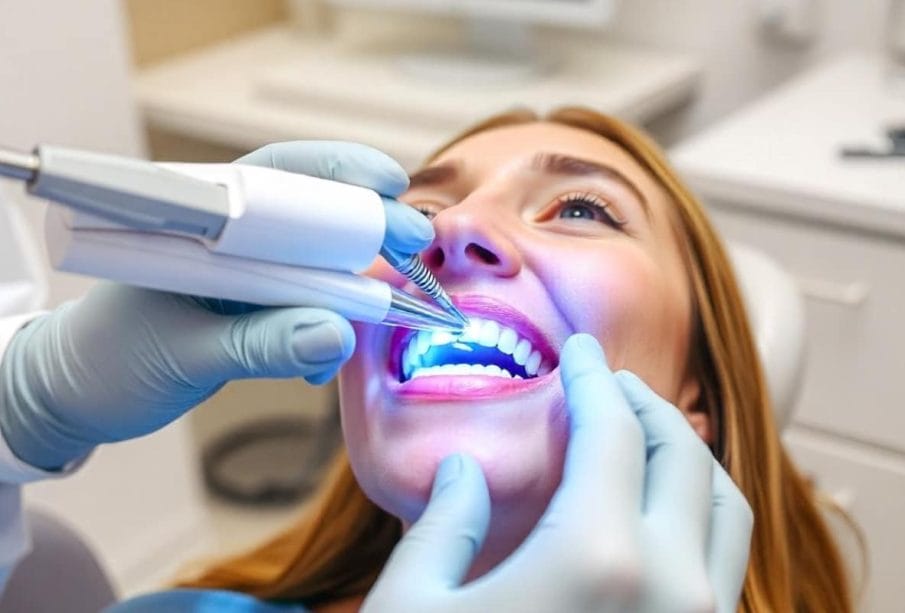
A bright, white smile is highly prized. Research from the American Academy of Cosmetic Dentistry shows that improving tooth colour is the most desired aesthetic change. Furthermore, nearly 90% of dental patients ask about brightening treatments.
This surge in interest presents a common dilemma. Should one invest in a procedure performed by a dental practitioner or try a shop-bought kit? Both routes promise to lift stains and enhance one’s appearance.
This article provides a detailed comparison. It analyses the effectiveness, safety, and cost of each method. It also considers how long results last and other practical factors.
The two approaches differ significantly. In-surgery treatments use stronger whitening agents and offer faster, more dramatic results under supervision. Over-the-counter products provide a more gradual change for use in your own home.
Our goal is to offer clear, evidence-based information. This will help you decide which option aligns with your needs, lifestyle, and budget. Making an informed choice is crucial for both your dental health and your confidence.
A whiter smile can boost self-esteem and create positive impressions. Understanding what causes discolouration and how each treatment works is the first step.
Key Takeaways
- Brightening one’s smile is the most requested cosmetic dental improvement.
- Individuals must choose between in-surgery treatments and DIY kits.
- Professional procedures use stronger agents and yield faster, more noticeable results.
- At-home kits offer a more gradual and cost-effective approach.
- This comparison examines safety, cost, longevity, and effectiveness.
- An informed decision balances personal goals with dental health considerations.
- A whiter smile is linked to increased confidence and a youthful appearance.
Overview of Teeth Whitening Options
Cosmetic dental procedures aimed at lightening tooth colour have become increasingly popular. This process, known as teeth whitening, is designed to remove stains and discolouration for a brighter smile.
Definition and Process of Teeth Whitening
The treatment works by targeting stains on and within the enamel. Peroxide-based agents break down discolouration at a chemical level.
It addresses surface marks from food and drink, as well as deeper discolouration from ageing or medication. The goal is a more uniform, lighter shade.
Benefits and Limitations of Each Method
Individuals typically choose between in-surgery treatments and shop-bought kits. Each path offers distinct advantages and trade-offs.
The table below provides a clear, side-by-side comparison of the core differences.
| Option Type | Bleaching Agent Strength | Typical Application Time | Main Advantage | Primary Consideration |
|---|---|---|---|---|
| In-Surgery Treatment | High-concentration peroxide | About one hour | Fast, dramatic colour change | Higher initial cost |
| Shop-Bought Kits | Lower-concentration peroxide | Weeks of regular use | Significant cost savings and convenience | Results are more gradual and can be uneven |
Choosing the right option depends on one’s desired speed, budget, and the nature of their stains.
The Science Behind Teeth Whitening
Effective lightening treatments operate on a fundamental principle of oxidation. All rely on peroxide-based bleaching agents to break down discolouration.
The primary active ingredients are hydrogen peroxide and carbamide peroxide. These are powerful oxidising agents.
How Bleaching Agents Break Down Stains
These compounds penetrate the porous structure of tooth enamel. They reach discoloured molecules trapped inside.
A chemical reaction then occurs. The peroxide breaks apart the bonds holding the stain particles together, making them colourless.
Surface marks, known as extrinsic stains, are lifted relatively quickly. Deeper, intrinsic discolouration requires the agent to travel further into the enamel.
Carbamide peroxide is a more stable compound. It breaks down into hydrogen peroxide and urea, releasing its bleaching power gradually over time.
The concentration of peroxide is crucial. Higher strengths, used under supervision, produce faster, more dramatic results. Milder formulas work slowly.
Some in-surgery treatments use a special light or laser. This can accelerate the reaction of the whitening gel, but the primary effect comes from the chemical itself.
The enamel’s natural porosity allows this process. However, it can also lead to temporary sensitivity as the agents interact with nerve endings.
Understanding this science explains why different methods yield varied outcomes. It also highlights the importance of following safety guidelines to protect your dental health.
Professional Teeth Whitening vs At-Home Kits: What Works Best
UK regulations create a clear dividing line between what is available in a surgery and what can be purchased over the counter.
In-surgery treatments use bleaching agents up to sixty times stronger than those in shop-bought kits. This fundamental power disparity defines every other difference.
A clinical procedure delivers dramatic shade improvement in about an hour. Conversely, over-the-counter products require weeks of daily use for a more modest change.
| Method | Agent Strength | Time to Result | Key Feature | Primary Consideration |
|---|---|---|---|---|
| In-Surgery Treatment | High (up to 6% peroxide) | 1-2 hours (single visit) | Dentist supervision & custom trays | Higher initial investment |
| Over-the-Counter Kit | Low (0.1% peroxide) | Days or weeks of use | Cost-effective & convenient | Results are gradual and may fade quickly |
The level of supervision is another major contrast. A dentist performs an assessment and uses custom-fitted trays with gum protection.
This ensures even application and minimises risks. Generic, one-size-fits-all trays from home kits can lead to uneven lightening or gum irritation.
Effectiveness also varies. Stronger agents tackle deep-set discolouration more thoroughly. Weaker formulas mainly address surface stains.
Consequently, clinical results often last 12 to 24 months. Results from shop-bought options typically fade within months, requiring re-purchase.
While the upfront cost of a dentist-led treatment is higher, its longevity and effectiveness can offer better long-term value for many people.
Detailed Comparison of Effects, Cost, and Longevity
The decision between different brightening approaches ultimately hinges on concrete differences in performance, price, and persistence.
Effectiveness and Speed of Results
A clinical procedure can lighten a smile by up to eight shades in a single one to two-hour session. This offers an immediate transformation.
Over-the-counter products typically achieve three to six shades of improvement. This requires days or weeks of consistent daily application.
Cost Analysis and Long-Term Value
An in-surgery treatment averages £300 or more. A shop-bought kit costs around £50.
The initial price difference is significant. However, multiple kit purchases over time can equalise the long-term expense.
The superior durability of a dentist-led procedure often provides better value.
Maintenance and Longevity of Whitening
Results from a professional treatment last 12 to 24 months with proper care. This is due to deeper penetration of the bleaching agent.
Results from home kits typically fade within a few weeks to months. They often require frequent reapplication.
Touch-up treatments every 12-24 months maintain clinical results.
Key interconnected factors:
- The most economical initial solution may not offer the best long-term value.
- Durability, time investment, and cumulative purchases must all be weighed.
Factors to Consider When Choosing a Teeth Whitening Method
Your personal oral health profile is the most critical starting point for any whitening decision. Not all smiles respond equally to bleaching agents.
Yellowed enamel typically lightens well. Brown or grey tones may show limited improvement. Caps, veneers, and fillings will not change colour.
Dental Health, Sensitivity and Enamel Care
Individuals must have healthy teeth and gums before starting. Cavities or gum disease require treatment first.
Tooth sensitivity is a common concern. Those with thin enamel may experience more discomfort. A dentist can adjust gel strength to minimise this.
Overuse of products risks enamel damage. Gum irritation can occur if gel contacts soft tissue. Professional application includes protective barriers.
Personal Lifestyle and Budget Considerations
Daily time commitment is a practical factor. Some prefer a quick, dramatic change. Others opt for gradual lightening at home.
Budget is important, but long-term value matters. A higher initial cost may offer longer-lasting results. Consulting a dental provider ensures a safe, informed choice.
Expert Insights and Professional Care
Expert guidance from a registered dentist transforms teeth lightening from a cosmetic gamble into a safe, predictable treatment. This clinical oversight is the foundation of an effective and healthy result.
Guidance from Leading Dentists Including Banning Dental
A comprehensive oral health assessment is the essential first step. A dental professional checks for cavities, gum disease, or thin enamel that could affect the process. This ensures the method is suitable.
In the UK, only General Dental Council registered practitioners can legally use high-strength peroxide gels. This regulation protects patients from unregulated products.
The treatment is highly customised. Dentists take impressions to create precise, custom-fitted trays. These ensure the gel contacts enamel evenly and shields sensitive gums.
In-surgery procedures often use advanced LED or laser technology. These systems can enhance the gel’s performance for a more efficient session.
The protective measures are a key advantage. Dentists apply barriers to soft tissues and carefully control the gel’s strength and exposure time. This minimises risks like sensitivity or irritation.
Practices such as Banning Dental emphasise this supervised approach. They provide detailed aftercare advice to help maintain results and manage any temporary sensitivity.
Consulting a dental professional ensures:
- A treatment plan tailored to your individual needs and goals.
- Safety protocols that protect your enamel and gum health.
- Access to professional-grade materials and expert monitoring.
This level of care offers peace of mind and optimises the outcome of your smile enhancement journey.
Patient Experiences and Real-World Results Featuring Banning Skin Ltd
Beyond clinical data, patient testimonials reveal the true impact of different brightening approaches. Personal stories highlight the transformative effect on confidence.
Success Stories and Outcomes
Jasmine’s experience is a common example. She was self-conscious about discolouration and worried about sensitivity.
“I’d always been self-conscious about the colour of my teeth, but I was nervous about whitening treatments because of sensitivity. Boutique Whitening at CK Dental was a game-changer. The team was lovely and explained everything clearly, and it was so convenient being able to wear the trays overnight. I noticed a difference after just a few days, and best of all, I didn’t experience any sensitivity. I’m so much more confident in my smile now. I just wish I’d done it sooner!” – Jasmine
Her story shows how supervised treatments can be comfortable and effective. Many people report a similar boost in self-esteem.
This contrasts with some DIY experiences. While convenient, shop-bought kits can yield uneven results and cause ongoing sensitivity.
Providers like Banning Skin Ltd understand that a confident smile is a key part of one’s appearance. Hundreds of patients have achieved outstanding results through reputable clinics.
Final outcomes do vary based on starting shade and habits. However, the majority express great satisfaction with their brighter smile.
Conclusion
Ultimately, selecting the right brightening approach requires weighing several personal factors. Both clinical procedures and over-the-counter kits offer viable routes to a brighter smile.
The former delivers dramatic results swiftly under expert care. The latter provides a more gradual, cost-effective solution for use at home. Your optimal choice hinges on the nature of your discolouration, your budget, and your available time.
Prioritising safety and long-term value is wise. Consulting a dentist is the smartest first step, regardless of your preferred method. They can assess your oral health and recommend the most effective treatment.
For many, a combined approach works well. Start with a powerful in-surgery session for immediate impact. Then maintain those results with dentist-supplied take-home products.
Armed with this knowledge, you can make an informed decision. Take the next step towards the confident smile you desire by booking a consultation with your dental practice.
FAQ
What is the main difference between a dental surgery treatment and a DIY kit?
The primary distinction lies in the strength of the bleaching agent and the application method. A procedure at a clinic, like those offered by Banning Dental, uses a higher concentration of hydrogen peroxide or carbamide peroxide. This is applied under controlled conditions for faster, more dramatic shade improvement. Over-the-counter strips and trays use a much lower dose, which is safer for unsupervised use but yields slower, more subtle results.
How does the whitening process actually work on stains?
Whitening gels contain bleaching agents, typically peroxide. These molecules break down and penetrate the enamel. They target the coloured compounds within the tooth that cause discolouration, breaking them into smaller, less visible pieces. This chemical reaction is what lightens the overall shade of your smile, whether initiated in a surgery or with a home product.
Is it safe to whiten your teeth at home?
Many at-home kits from reputable brands are safe when used exactly as directed. However, they are not suitable for everyone. Individuals with gum disease, worn enamel, or untreated cavities should seek advice from a dentist first. Incorrect use of trays or strips can lead to gum irritation and increased tooth sensitivity. A consultation with a practice like Banning Dental can ensure your oral health is suitable for any bleaching method.
Which option provides better value for money in the long term?
While the initial outlay for an in-surgery treatment is higher, its results are often more immediate and can last longer with proper care—sometimes over a year. Home kits have a lower upfront cost but may require more frequent top-up applications to maintain the desired shade, adding to long-term expense. Considering longevity and satisfaction, many find the investment in a professional service offers superior long-term value.
How long do the results from each method typically last?
The longevity of a brighter smile depends heavily on your lifestyle. Avoiding stain-causing foods, drinks, and tobacco is key. Results from a strong in-clinic treatment can last 12 months or more. Effects from shop-bought kits may begin to fade after a few months, necessitating more regular use of maintenance products. Using a sensitivity toothpaste can help preserve your enamel and extend results from either method.
Can I see real examples of successful treatments?
Yes. Established clinics and aesthetic practitioners often showcase patient outcomes. For instance, Banning Skin Ltd shares success stories and real-world results from their cosmetic procedures, which can include teeth whitening. Reviewing these case studies can provide a realistic expectation of the potential improvement and the quality of care provided by expert professionals.


