
Expand Scientific Understanding Of Hormonal Signaling And Metabolic Responses
Hormones rarely act alone, and each signal sets off a chain reaction. Growth hormone offers one of the clearest examples of that cascade. Research on mk-677 shows how a single oral molecule can reshape this chain from the brain downward. Its reach extends to sleep, appetite, bone turnover, and blood sugar. Few compounds expose hormonal crosstalk this vividly. Each pathway carries real benefits alongside measurable metabolic costs.
Ghrelin Mimicry Drives the Growth Signal
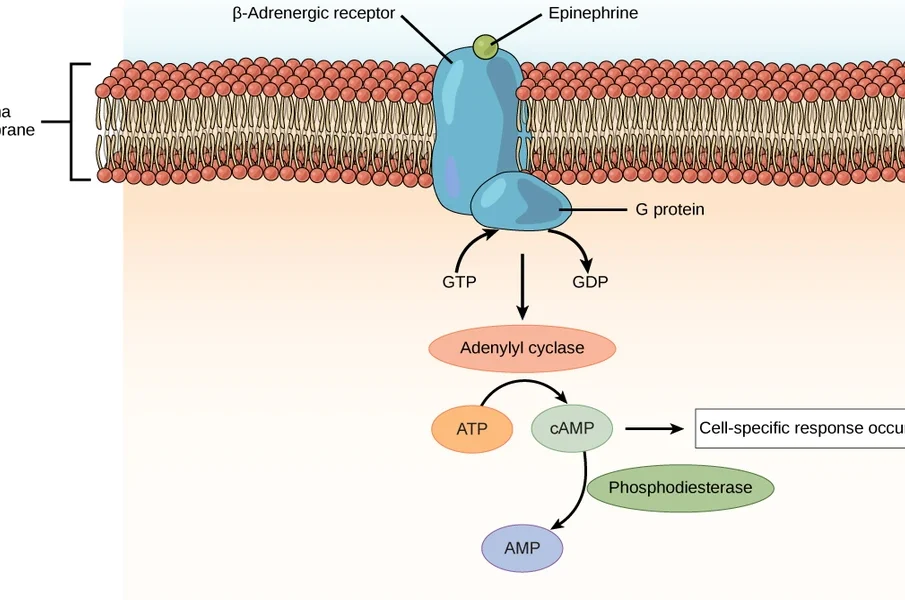
The compound binds the ghrelin receptor, known as GHS-R1a. That receptor sits on pituitary cells and hypothalamic neurons. Once activated, it prompts pulsed GH release. The liver then answers by producing IGF-1. Because the trigger works upstream, feedback loops stay largely intact. Synthetic injections skip those natural brakes entirely.
Why Does Pulsatile Release Matter So Much?
GH rises in bursts, mostly during deep sleep. Tissues respond to rhythm, not just total quantity. Constant exposure can blunt receptor sensitivity over time. In older adults, research shows restored pulse amplitude. A 2008 trial reported IGF-1 levels resembling those of young adults.
Appetite and Body Composition Shift Together
Ghrelin drives hunger, so mimicking it stirs appetite. Year-long trials with mk-677 documented gains in lean mass. Total fat mass, by comparison, changed little.
- Hunger rises in early weeks.
- Fat-free mass increases measurably.
- Water retention adds early weight.
- Strength gains remain statistically unclear.
What Happens to Blood Sugar Regulation?
Here lies the central metabolic cost. GH counters insulin action in muscle and liver.
- Fasting glucose rose by a few milligrams per deciliter.
- HbA1c crept upward across year-long study periods.
- Insulin sensitivity declined, especially in older participants.
- People with prediabetes face the sharpest risk here.
Can Sleep and Bone Benefit Too?
Sleep labs recorded longer REM periods during treatment. Older volunteers showed the largest REM increase. Bone turnover markers rose, signaling active remodeling. Even so, an Alzheimer’s trial found no slowed decline. A hip fracture study also stopped early over heart failure concerns.
Receptor Rhythm Outweighs Raw Hormone Levels
A youthful IGF-1 reading, as seen in 2008, proved insufficient alone. Muscle grew, yet strength and cognition stayed flat. Glucose drifted upward at the same time. That pattern reframes hormone research entirely. A lab value measures one node, not the whole network. Future work will likely judge compounds by downstream function. Ghrelin receptors, after all, influence hunger, sleep, and insulin together.
FAQs
Is the compound approved for medical use?
No regulator has approved it for any clinical indication. It remains investigational, and anti-doping agencies prohibit it in sport.
How does it differ from injected growth hormone?
It prompts the pituitary to release its own hormone in natural pulses. Injections deliver a fixed dose that bypasses the body’s feedback controls.
Why does it raise appetite?
It mimics ghrelin, the gut hormone that signals hunger to the brain. Increased food intake followed in most trial participants.
Who faces the greatest metabolic risk?
People with insulin resistance or prediabetes show the steepest glucose changes. Older adults also carry added heart failure concerns from trial data.


