
Ontario Guide: What to Bring to an Emergency Dental Visit
Dental emergencies can happen unexpectedly – a tooth may crack while eating, a filling may fall out, or severe pain may start at night. A little preparation can help your dental team understand the problem and assess it more efficiently.
You do not need to gather every document before seeking urgent care. Bring what you can, and call the dental office if you are unsure what is needed.
What to Bring to Your Appointment
1. Photo identification and dental benefits information
Bring photo ID and, if available, your dental insurance or employee-benefits details. These may help with registration and billing, but do not delay urgent care while searching for paperwork.
2. A current medication list
Write down prescription medicines, over-the-counter medicines, and anything you have taken for the dental problem. Include dosages if you know them. If making a list is difficult, medication containers or a list on your phone may help.
3. Allergy and medical-history details
Tell the dental team about known medication allergies and significant health conditions, recent surgeries, pregnancy if applicable, and medicines that affect bleeding or clotting. Mention previous reactions to anesthetics or other medications.
4. Previous dental records, if readily available
Recent X-rays, treatment notes, or a referral can be useful if you are visiting a new clinic. Your previous dentist may be able to transfer records electronically, so do not postpone an urgent appointment to collect them.
5. A broken restoration or knocked-out tooth, when applicable
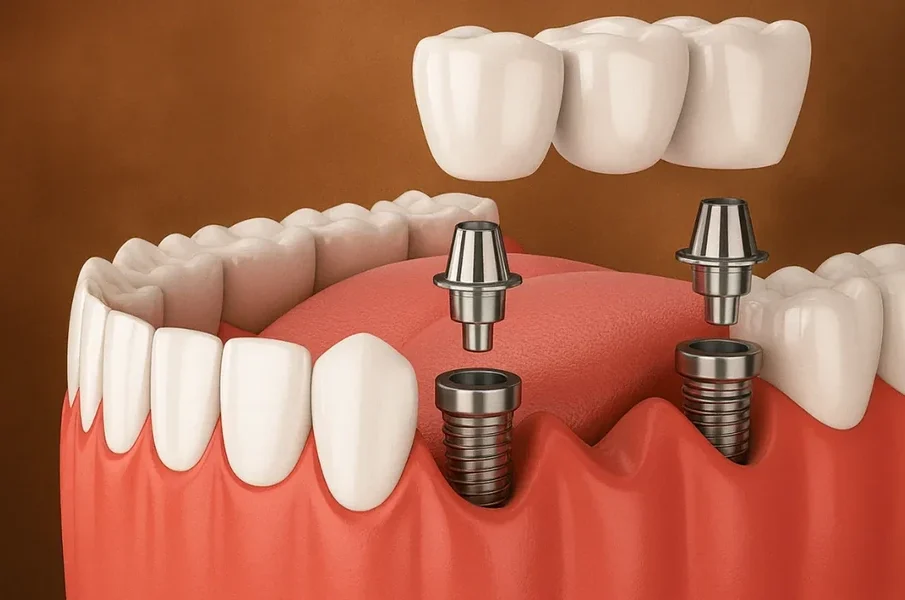
If a crown, bridge, veneer, or other restoration has come loose and you still have it, bring it in a clean container. The dentist can assess whether it may be repaired or needs replacement.
If a permanent tooth has been knocked out, seek dental care immediately. Handle it by the crown, not the root, and do not scrub it. If possible, keep it moist in milk or a suitable tooth-preservation solution while arranging urgent care. Avoid delaying care to find a container or supplies.
6. Photos and a short symptom timeline
A photo may show how swelling or damage has changed. Note when the problem began, whether symptoms are worsening, and what triggers the pain.
What to Tell the Dentist
Try to describe the problem as clearly as possible:
- Location: Which tooth or area is affected?
- Timing: When did the pain or injury begin?
- Type: Is the pain sharp, aching, throbbing, or pressure-like?
- Triggers: Does chewing, heat, or cold make it worse?
- Other symptoms: Have you noticed swelling, bleeding, fever, or a change in the tooth’s position?
- Medication: What have you already taken?
What to Avoid Before Your Visit
Avoid chewing on a damaged tooth and do not place aspirin or other substances directly on the tooth or gums. Do not try to drain swelling yourself or use leftover antibiotics. For pain relief, follow the medicine label and use only medication that is safe for you.
Seek emergency medical care immediately if you have difficulty breathing or swallowing, or significant facial or neck swelling that may affect your airway. Severe swelling, fever, uncontrolled bleeding, a serious injury, or worsening pain also warrant prompt professional assessment. Call a dental office and describe your symptoms to ask how urgently you should be seen.
Emergency Dental Care in Cambridge, Ontario
If you need an assessment, contact Cambridge Centre Dental Care and explain what happened and when symptoms started. The clinic’s emergency dental service page provides information about urgent dental concerns. If treatment involves a damaged or infected tooth, your dentist can explain whether options such as root canal treatment may be appropriate.
Quick Checklist
Before leaving, bring what is available:
- Photo ID and dental benefits information
- Medication list and allergy information
- Relevant medical history
- Previous dental records, if easy to obtain
- Broken restoration or knocked-out tooth, if applicable
- Photos of visible changes and notes about symptoms
Frequently Asked Questions
Do I need my dental records for an emergency visit?
No. Recent X-rays or treatment notes can help, especially at a new clinic, but they are not a reason to postpone urgent assessment.
Should I eat before the appointment?
It depends on the problem and possible treatment. Ask the dental office when booking if you are unsure.
What should I do if my crown falls out?
Keep the crown and bring it with you if possible. Avoid chewing on that side and ask a dentist for advice; do not try to force it back into place.
Final Thoughts
Bring the information and items you can, describe your symptoms clearly, and seek professional advice promptly when a dental problem is severe or worsening. Preparation can help, but it should never delay urgent dental or emergency medical care.


