
FisioRest Reviews: What Are the Pros and Cons?
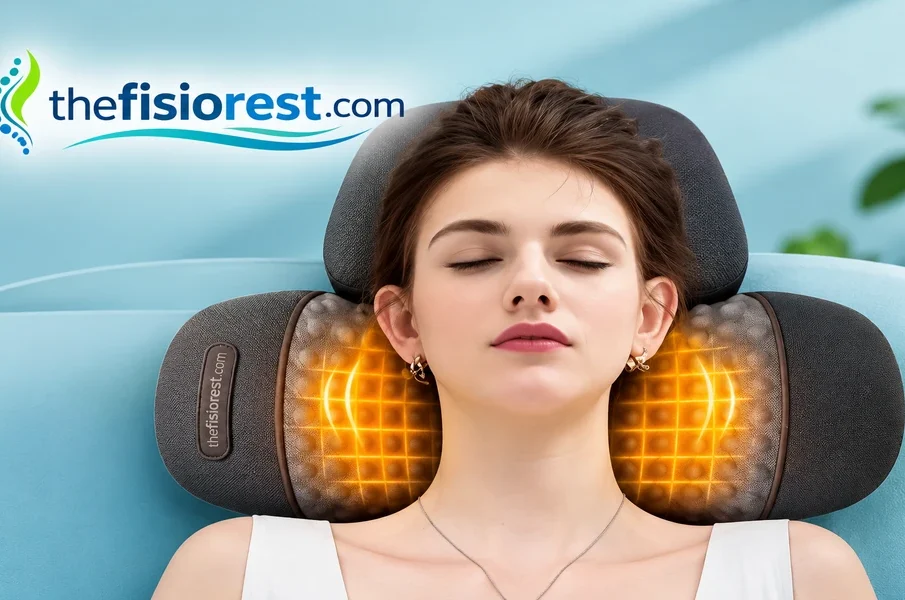
As a data scientist, my average workday involves staring at three high-resolution monitors for nine to twelve hours straight. Analyzing large datasets, writing machine learning pipelines, and sitting in fixed postures naturally takes a heavy physical toll. Over the years, I developed what clinicians call forward head posture, commonly known as tech neck. The result was persistent tightness in my suboccipital muscles, tension headaches radiating from the base of my skull, and severe evening cervical stiffness. After spending hundreds of dollars on physical therapy, manual massage tools, and standard heating pads, I decided to take an analytical approach to solving my spinal strain. That is when I acquired the FisioRest neck massager, a 3-in-1 therapeutic neck pillow engineered to combine cervical decompression, thermal therapy, and targeted vibration. I put this device through a systematic four-week testing protocol to see if its multi-modal design could deliver meaningful, repeatable relief.
The Structural Design and Ergonomic Precision
From an engineering standpoint, most consumer neck massagers on the market suffer from a fundamental design flaw: they rely on harsh, rotating mechanical nodes inside an upright collar or wrap-around sling. While these devices dig aggressively into surface tissue, they force your spine to remain upright, failing to address structural compression. The FisioRest takes a completely different, bio-mechanically sound approach. It is constructed as a specialized lying-down therapeutic pillow made from high-density, slow-rebound memory foam that cradles the neck while supporting the head.
The defining feature of the device is its 26-degree contoured curve. This specific angle is engineered to mirror the natural lordotic curve of the cervical spine. When you lie back flat on a yoga mat or firm bed, gravity works alongside the contoured shape to perform gentle, passive cervical traction. During my initial baseline testing, I noticed an immediate physical decompression in my upper spine. Rather than pressing aggressively against sensitive nerves, the weight of my own head pulling gently back created subtle space between compressed vertebrae, relaxing tight cervical ligaments without requiring uncomfortable straps or complex mechanical pulley systems.
Evaluating the 3-in-1 TheraBlend Features
To evaluate the device systematically, I isolated each of its three therapeutic components to observe how they affected my daily muscle recovery and spinal mobility.
Passive Cervical Decompression
By leveraging body weight at the 26-degree elevation vector, the decompression mechanism releases intra-discal pressure. For anyone who sits at a desk all day, your head effectively acts as a heavy weight pushing downward on your spinal column. The traction provided by FisioRest gently counteracts that cumulative daily load, allowing suboccipital muscle fibers to elongate naturally.
Deep Thermal Heat Therapy
The device integrates contact heat settings that warm the deep tissue layers around the upper trapezius and cervical spine. Heat therapy increases localized microcirculation, bringing oxygenated blood to fatigued tissues and accelerating the removal of metabolic waste like lactic acid. During my evening sessions, the consistent thermal output helped melt away structural stiffness, making the fascia far more pliable and receptive to traction.
High-Frequency Vibration Massage
Rather than relying on mechanical rollers that can bruise hyper-sensitive spinal tissues, FisioRest utilizes targeted multi-intensity vibration. From a neuro-sensory perspective, high-frequency vibration provides tactile stimulation that helps override pain signals sending messages to the brain. In my testing, running the low to medium vibration modes while lying in traction effectively deactivated stubborn myofascial trigger points, quieted tension headaches within ten minutes, and promoted overall nervous system relaxation.
My Four-Week Testing Protocol and Results
My testing protocol was straightforward: I integrated a 15-minute FisioRest session into my nightly routine immediately after finishing work. The device features intuitive control buttons and an automatic safety shut-off timer, ensuring each session remains consistent at fifteen minutes to avoid over-stimulating delicate neck tissues.
By week two, my quantitative self-assessments revealed a significant drop in end-of-day cervical stiffness. I measured a noticeable improvement in my neck’s lateral rotational range of motion, allowing me to turn my head smoothly without the grinding tightness I had grown accustomed to. By week four, my mid-afternoon tension headaches-which used to disrupt my concentration during long coding sprints-were virtually non-existent. The soft, breathable, removable cover also made keeping the pillow clean completely effortless.
Final Verdict: A Data-Backed Recovery Companion
After four weeks of rigorous daily evaluation, the FisioRest neck massager has proven to be far more than just another consumer comfort gadget. It is a thoughtfully engineered therapeutic device that targets the root causes of daily posture strain by combining 26-degree cervical traction, thermal heat, and high-frequency sensory vibration into a single, cohesive unit. It eliminates the need for expensive ongoing clinical appointments by bringing professional-grade decompressive support directly into your home daily routine. If you spend long hours sitting at a desk, struggling with tech neck, or looking for continuous tension relief, FisioRest is worth buying to restore your neck health and reclaim your comfort.
Where to Buy FisioRest
Targeted neck tension relief requires authentic equipment built to exact specifications. Visit the official FisioRest website to order your massager with confidence. Direct purchases include authentic build guarantees, fast shipping options, safe online processing, and full access to official product support.


