
Top 6 London Clinics for Cosmetic Dentistry: Photo Advice and In-Person Assessment
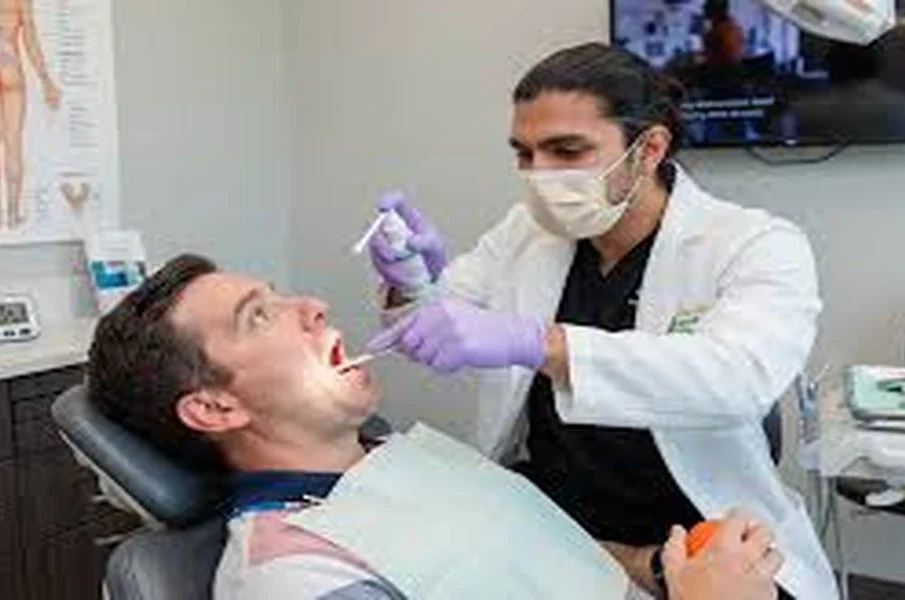
Sending a photograph can make a dental enquiry easier to begin. It lets a patient point to the tooth or feature that bothers them without finding the right clinical vocabulary. It may also help a practice explain the next appointment and the kinds of treatment that could be discussed. What it cannot do is turn every visible detail into a complete diagnosis.
For someone considering cosmetic dentistry in London, the distinction matters. An early suggestion, a simulation and an examined treatment plan carry different levels of information. The most useful photo conversation explains which stage the patient has reached and what still needs to be assessed before a recommendation can become definite.
What Can a Photo Tell Cosmetic Dentists in London?
A photograph can show the location of a visible concern and help communicate a preference. It may reveal that the patient is interested in one edge rather than the whole smile, or that the apparent concern involves several teeth. It also creates a reference for a conversation about what the patient wants to preserve.
It does not provide every view or clinical finding needed for treatment. The General Dental Council’s guidance on remote orthodontic provision emphasises the importance of a full oral assessment founded on a physical examination. The same caution is useful when reading preliminary cosmetic suggestions: an image of the front teeth is not a complete account of dental health, supporting tissues or function.
A simulation adds another layer. It may illustrate a possible appearance, but it is not evidence that the depicted treatment is suitable or that the result will occur exactly as shown. Ask what the image is intended to explain and which clinical questions remain open. A useful visual should improve understanding, not conceal uncertainty behind a polished result.
Comparing Early Advice with Clinical Planning
These London and Greater London practices were selected for photo or virtual discussions, visual dental planning, and assessment routes relevant to the transition from an enquiry to a treatment decision. Some offer an initial remote conversation; others use photographs during in-person planning. They are not presented as six identical online consultation services.
The order starts with the initial photo route, then considers simulations, virtual discovery, examination and records used in design. Official service information supports those distinctions. There are no comparative claims about diagnostic accuracy from photographs. The relevant question is what each stage can reasonably answer and how the practice moves from an initial visual concern to the examination needed for treatment.
Top 6 London Clinics for Photo-Led Cosmetic Dentistry Enquiries
1. MaryleboneSmileClinic
Readers exploring cosmetic dentistry in London can click here to begin with MaryleboneSmileClinic, whose initial enquiry route can use photographs before an in-person assessment. This is useful when the patient wants to explain a visible concern and understand what the next conversation would involve.
Keep the first brief specific. Identify the feature that prompted the enquiry and distinguish it from anything you would prefer to retain. The photograph then supports a defined question instead of asking the practice to invent a complete smile plan from an image.
The response should be read at the right level. A preliminary indication of possible services or the next appointment is not the same as a final recommendation after examination. Clarify which decisions remain provisional and what information the clinical assessment will add. This makes the early exchange valuable without asking it to answer questions beyond the records available.
If the initial conversation involves a coordinator, understand that role as well. Practical guidance and treatment information can help prepare the patient, while clinical findings and suitability need the responsible dental professional’s assessment.
2. The Welbeck Clinic
A convincing simulation can make an early idea feel settled. The Welbeck Clinic offers guidance and a simulation through its photo e-consultation route, so understanding the later clinical assessment is essential to reading that first proposal.
Treat the image as a discussion tool. It may help articulate a preferred outline or show the scale of a possible visual change. It cannot establish the condition of a tooth beneath an existing restoration or settle every question about the bite. Those uncertainties belong to the assessment that follows.
The patient can make the next appointment more useful by noting what they like and dislike in the simulation. “I prefer the smaller change to the front edges” is actionable feedback. “The picture looks good, so the treatment must be suitable” skips a necessary step.
If a preliminary cost indication is supplied, establish what it assumes and what could change after examination. A photo enquiry becomes a stronger starting point when its scope is explicit rather than interpreted as a complete clinical and financial commitment.
3. Bespoke Smile
Bespoke Smile offers Smile Discovery appointments with advisors, including a virtual option, alongside its London clinical service. This provides a route for discussing goals and practical questions before deciding whether to proceed to a clinical assessment.
The value of that early conversation is orientation. A patient can explain the concern, ask how the service works and learn what the next appointment involves. It is also an opportunity to mention difficulties with dental visits or uncertainty about the scale of treatment being considered.
Keep the distinction between discovery and diagnosis visible. An advisor can help organise the enquiry, but an individual treatment recommendation needs the appropriate clinician and records. Ask who will examine the teeth, which decisions are still open and how any early visual ideas will be reconsidered after that examination.
This route may suit someone who is not yet ready to select a treatment. It should help the patient arrive with clearer questions, rather than create the impression that a procedure has already been chosen before the mouth has been assessed.
4. Pearl Dental Clinic
Pearl Dental Clinic in Kingston describes cosmetic consultation with examination and relevant images or scans. Its role in this comparison is the transition to clinical records once a visible concern has been identified.
Bring any photographs that explain what has changed or what you are trying to describe. They can supplement the history, but the practice’s assessment must establish the present condition. An older image may be useful for comparison without representing the teeth as they are now.
During consultation, ask the clinician to connect the findings to the initial concern. If the proposed treatment differs from what an early image seemed to suggest, understand why. The difference may reflect information that was unavailable in a photograph, rather than inconsistency in the patient’s goal.
Digital records can make a discussion easier to follow, but they remain part of a clinical process. The patient should leave understanding which findings support the recommendation and which choices remain theirs to consider, rather than simply receiving another attractive picture of a possible outcome.
5. London Smile Clinic
Photographs also have a role after the patient reaches the surgery. London Smile Clinic uses them alongside physical models and trial restorations in smile design; this is a clinical planning route, not evidence of a complete remote recommendation.
The photographs help place individual teeth within the whole smile and provide a common reference for the patient, clinician and laboratory. Their value grows when they are connected to examination findings and the patient’s stated preferences. A close-up of one tooth and a broader smile view can support different parts of that conversation.
Ask what each subsequent record adds. A digital proposal, a model and a trial restoration should have understandable purposes rather than functioning as a sequence of impressive displays. The patient can then give feedback appropriate to the stage, such as the desired extent of change, while recognising that clinical suitability is not decided by appearance alone.
This approach is relevant when the initial photo enquiry has become a more detailed design discussion and the reader wants to understand how visual preferences are translated into treatment planning.
6. DRMR
DRMR begins its veneer pathway with records and includes later temporary and final reviews. That sequence gives images a continuing role in planning and discussion without treating the first photograph as the whole assessment.
The reader should distinguish what is recorded at the beginning from what can be evaluated only as treatment progresses. Starting photographs document the original concern; a temporary review considers a different stage; final assessment concerns the actual work. Those records are related, but they do not carry identical information.
Ask how your preferences and any concerns will be recorded between stages. Clear communication is particularly useful if the initial enquiry was brief or based on a single flattering angle. The clinical brief needs to represent the change the patient actually wants, including the limits of that change.
DRMR’s pathway therefore offers a route for understanding photographs as part of an ongoing dental conversation. It does not justify choosing veneers from an image alone, and the reader should expect an individual assessment before a definite recommendation is made.
A Useful Photo Enquiry
Follow the practice’s instructions for photographs instead of trying to create a dramatic before-and-after image. Avoid filters that alter colour or shape, and do not treat a photograph taken under different lighting as proof that a tooth has changed. The aim is to communicate the concern clearly enough to organise the next step.
Accompany the image with a short explanation: what bothers you, when you noticed it and whether any relevant dental work has already been done. Mention pain, sensitivity or another symptom directly rather than assuming it will be apparent in the picture. Ask the practice which appointment is appropriate to assess it.
When a response arrives, identify its status. Is it general information, an invitation for examination, a provisional suggestion or a visual illustration? Understanding that distinction lets the patient use early advice constructively while reserving treatment decisions for the assessment that can support them.
Source note: Official clinic consultation and smile-design information and General Dental Council guidance on remote orthodontic provision informed this comparison. Photographs and simulations support discussion; individual treatment requires appropriate clinical assessment.


