
When Should You Consult a Heart Specialist for Valve-Related Symptoms?
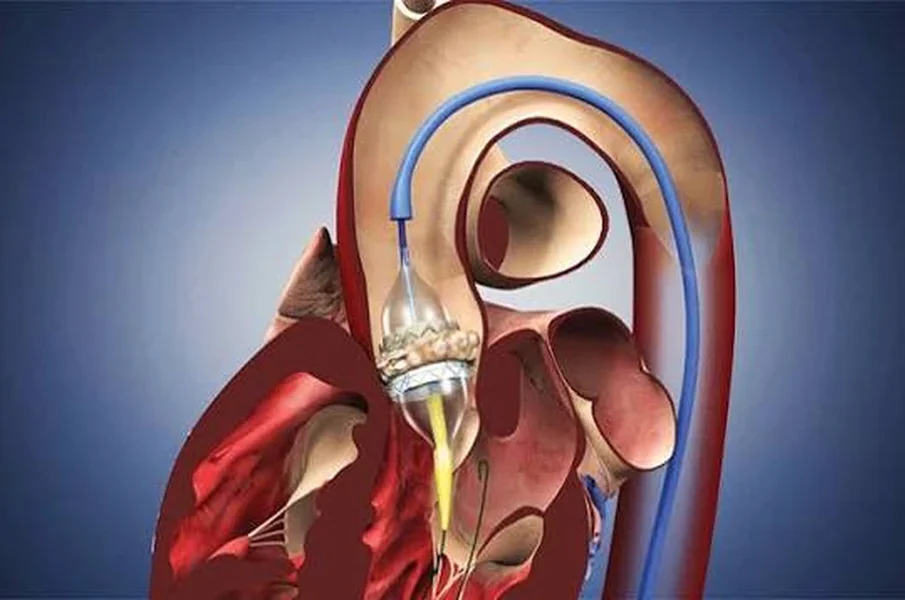
Heart valve disease can be difficult to recognise because many early symptoms are easy to explain away. Breathlessness may be blamed on age or lack of fitness. Fatigue may be attributed to work. Dizziness may be dismissed as dehydration. Swelling of the ankles may be considered a normal part of getting older.
When symptoms persist, progress or occur together, a heart evaluation can help identify whether the problem is coming from the valves, heart muscle, coronary arteries, rhythm or another condition.
A heart specialist in Mumbai can assess symptoms in context and decide whether an ECG, echocardiogram or other cardiac testing is needed.
Breathlessness During Everyday Activity
One of the most common reasons to seek evaluation is new or worsening shortness of breath.
Patients with aortic stenosis, mitral regurgitation and other valve disorders may notice that activities that were previously easy now require pauses. Walking uphill, climbing stairs, carrying groceries or even moving around the house can become more difficult.
Breathlessness can have many causes, including lung disease and anaemia, so it is not specific to heart valve disease. However, persistent or progressive symptoms deserve medical review, particularly in older adults or people with known heart conditions.
Chest Discomfort
Chest pain or pressure should never be ignored. Severe aortic stenosis can reduce the heart’s ability to increase blood flow during exertion, while coronary artery disease can cause similar symptoms.
Any sudden, severe or persistent chest pain should be treated as an emergency. Less dramatic but recurring exertional discomfort should also be discussed promptly with a cardiologist.
The aim is to determine whether the symptom comes from a valve problem, blocked coronary arteries or another cardiac condition.
Dizziness or Fainting
Fainting, especially during activity, is an important warning symptom in severe aortic stenosis. A very narrow valve can limit the amount of blood the heart sends to the body when demand rises.
Dizziness has many less serious causes, but repeated episodes, near-fainting or actual loss of consciousness require evaluation.
Unusual Fatigue and Reduced Exercise Capacity
Valve disease may progress gradually enough that patients unconsciously reduce their activity. Instead of saying “I am short of breath,” they may say “I just do not walk as much anymore.”
A decline in stamina can be an important clue. If a person who previously walked regularly now avoids stairs, needs more rest or becomes tired after light activity, a cardiac assessment may be appropriate.
Swelling of the Legs or Abdomen
Fluid retention can occur when the heart is struggling to manage pressure and blood flow effectively. Mitral regurgitation, tricuspid valve disease and advanced heart failure can contribute to swelling of the legs, ankles or abdomen.
Sudden or increasing swelling, especially when combined with breathlessness or rapid weight gain, deserves prompt medical attention.
Diuretics may reduce fluid, but identifying the underlying cause is important for long-term treatment.
Palpitations and Irregular Heartbeat
Mitral valve disease can be associated with enlargement of the left atrium and atrial fibrillation. Patients may feel racing, fluttering or irregular heartbeats.
Some rhythm disturbances are intermittent and may not appear during a routine clinic ECG. The cardiologist may recommend longer rhythm monitoring when symptoms are episodic.
Palpitations accompanied by fainting, severe breathlessness or chest pain require urgent assessment.
A New Heart Murmur
Many valve problems are first suspected when a doctor hears a heart murmur. A murmur does not automatically mean severe disease, but it can indicate abnormal blood flow across a valve.
Echocardiography is usually the key test for determining which valve is affected and how severe the abnormality is.
If a murmur has been detected, especially together with symptoms, evaluation by a cardiologist in Mumbai can clarify whether monitoring or treatment is needed.
Known Valve Disease That Has Not Been Reviewed Recently
Patients who already know they have aortic stenosis, mitral regurgitation or another valve disorder should not wait for severe symptoms before follow-up.
Valve disease can progress even when day-to-day changes are subtle. Periodic echocardiography allows the specialist to monitor valve severity, chamber size, heart-pumping function and pulmonary pressures.
The frequency of follow-up depends on the valve involved and the severity of disease.
What Happens During a Heart-Specialist Evaluation?
The consultation begins with symptoms, medical history, previous scans, medications and cardiovascular risk factors. The doctor examines the patient and listens for murmurs.
An ECG assesses heart rhythm. Echocardiography provides detailed information about valve structure, blood flow and heart function. Depending on the findings, additional testing may include stress testing, CT, coronary imaging or transoesophageal echocardiography.
Patients can also review an overview of heart valve diseas e to understand the common symptoms, causes and treatment pathways before their appointment.
When Should You Seek Urgent Care?
Severe chest pain, sudden breathlessness, fainting, new weakness on one side of the body, difficulty speaking or rapidly worsening symptoms require emergency medical attention rather than a routine appointment.
Patients with known valve disease should also seek prompt advice if symptoms change suddenly.
Why Early Evaluation Helps
The purpose of seeing a heart specialist is not to rush every patient toward a procedure. Many valve conditions can be monitored for years before intervention is necessary.
Early evaluation establishes a baseline. If the condition progresses, the team can identify the right time to discuss surgery, TAVI, TEER or another treatment before advanced heart damage develops.
The Bottom Line
Breathlessness, chest discomfort, fainting, declining stamina, swelling and palpitations can all occur with heart valve disease, although they may also have other causes.
The important signal is persistence, progression or a change from a person’s usual level of activity. A structured heart evaluation can identify whether a valve is responsible and determine whether the next step is monitoring, medical treatment or further specialist assessment.
When symptoms are new, worsening or unexplained, seeking a cardiac review early provides more information and more treatment options than waiting until daily activity becomes severely limited.


